
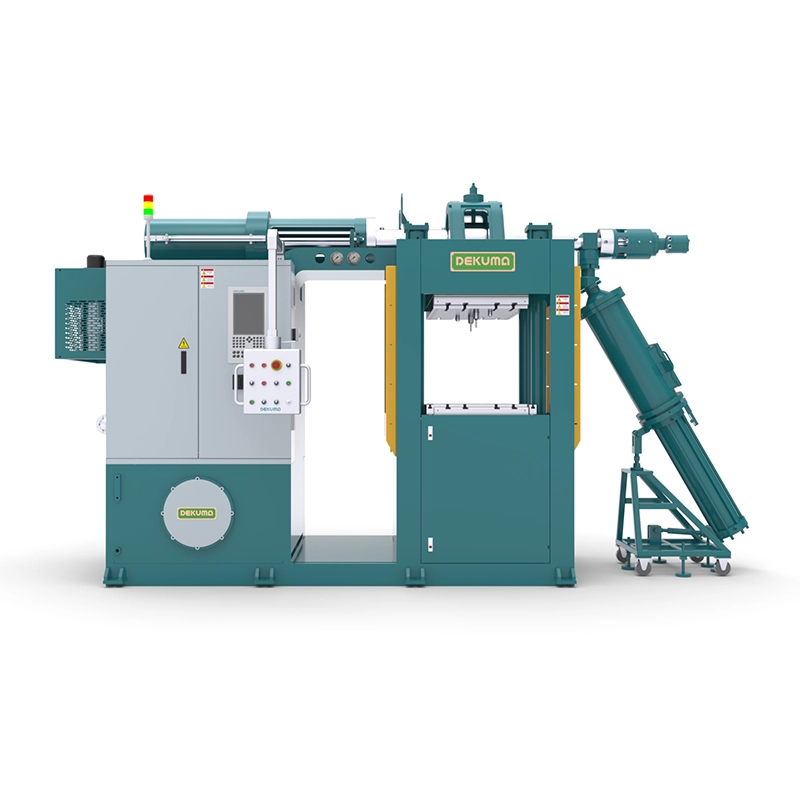
Vertical molding machines, particularly Dekuma’s vertical rubber injection molding machines, have become essential in industries that require precise and efficient production of rubber-based components. These machines are ideal for producing high-voltage insulators, cable accessories, surge arresters, and other complex rubber products. However, like any sophisticated technology, challenges can arise during their operation. It’s crucial to be aware of potential pitfalls and how to address them for optimal machine performance and product quality.
Inconsistent Rubber Feeding and Injection Process
One common challenge with vertical molding machines is inconsistent feeding and injection of the rubber material. This can result in uneven product quality, defects, and wastage. Dekuma has tackled this issue by designing its vertical rubber injection molding machines with an advanced material plasticization and injection system. The machine’s enhanced screw design ensures a consistent feeding process, facilitating uniform mixing of the rubber compounds. To avoid inconsistencies, it’s important to regularly maintain and inspect the injection system, ensuring that the feeding mechanism remains clear and that the material is properly processed.
Poor Energy Efficiency and Heat Management
Another issue manufacturers face when using vertical molding machines is poor energy efficiency due to inadequate heat management. High temperatures and pressures involved in the molding process can cause excessive energy consumption and wear on machine components. Dekuma’s vertical rubber injection molding machines address this with their double-layer thermal insulation plates, which can withstand high temperatures and pressures while significantly reducing energy consumption—up to 40%. Regular maintenance of thermal insulation components is essential to ensure optimal energy efficiency and prevent overheating.
Hydraulic System Stability
The hydraulic system in a vertical molding machine plays a critical role in ensuring stable operation and consistent product quality. If not properly calibrated or maintained, hydraulic issues can lead to instability, reducing the precision of the molding process. Dekuma equips its vertical rubber injection molding machines with high-quality American pumps and German hydraulic valves to guarantee stable performance. To prevent hydraulic system failures, it’s crucial to regularly check the fluid levels, pressure settings, and valve operation, as well as replace any worn-out parts promptly.
Conclusion
By understanding and addressing the common challenges associated with vertical molding machines, manufacturers can optimize production efficiency, reduce downtime, and ensure consistent product quality. Dekuma’s vertical rubber injection molding machines offer advanced solutions to these challenges, making them a reliable choice for businesses involved in high-voltage insulator production and other rubber manufacturing processes. Proper maintenance and operational best practices are key to ensuring the longevity and efficiency of these machines, ultimately contributing to the success of your production line.