
Injection molding machines are integral to manufacturing high-quality components for a variety of industries. When it comes to choosing the right molding machine, manufacturers often face the decision between vertical injection molding machines and horizontal molding machines. Each type has unique advantages and is suited to different types of production processes. At Dekuma, we specialize in vertical rubber injection molding machines that are tailored for complex insulator production. Let’s dive into the primary differences between the two types of machines to help you make an informed decision.
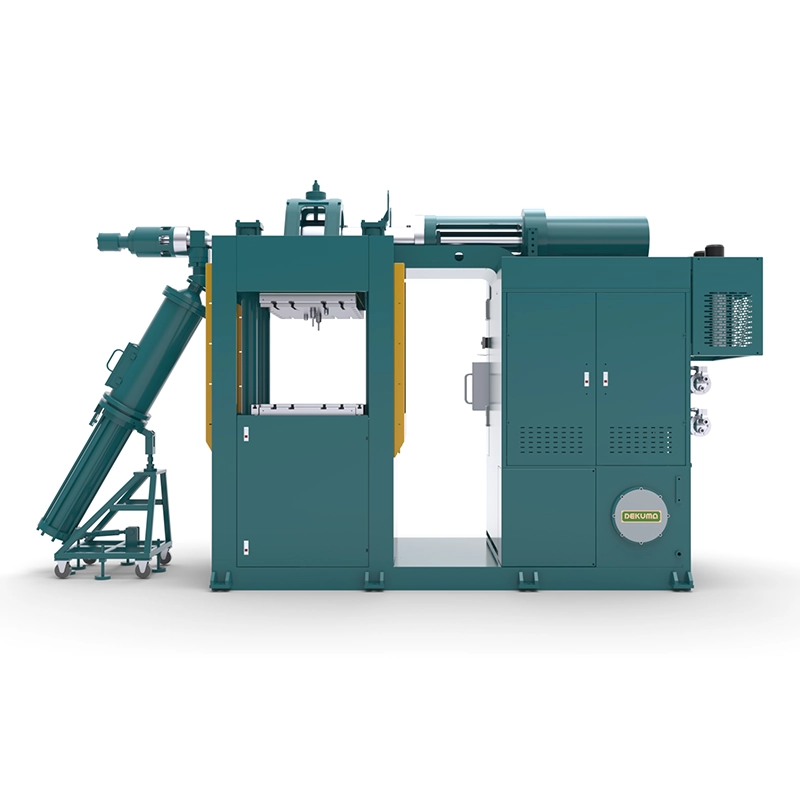
Vertical vs. Horizontal: Understanding the Layout
The first difference between vertical and horizontal molding machines lies in their layout and orientation. A vertical injection molding machine is designed with a vertical clamping unit and injection system. This configuration allows for better space utilization and is particularly advantageous for producing smaller components or products that require precise molding. On the other hand, a horizontal molding machine typically uses a horizontal clamping unit, offering a more traditional approach suitable for larger, heavier molds. This layout can be ideal for high-volume production of standard components, but it may not be as flexible when it comes to producing specialized parts.
Material Flow and Injection Precision
Another key difference between vertical rubber injection molding machines and their horizontal counterparts is in the material flow and injection precision. Dekuma’s vertical molding machines are designed with advanced material plasticization systems that ensure efficient and consistent feeding of rubber compounds. This setup allows for more accurate molding of products with complex shapes, such as hollow core insulators and surge arresters. Horizontal machines may struggle with certain materials or molds, resulting in lower precision or longer cycle times. The precise injection control of vertical machines provides an edge in industries that require high precision and consistent product quality.
Energy Efficiency and Space Efficiency
A standout feature of vertical injection molding machines like those offered by Dekuma is their energy efficiency and space-saving design. Vertical molding machines are generally more compact, making them a better option for smaller production spaces or facilities where floor space is limited. The vertical configuration allows the machine to process materials like silicone rubber and EPDM with high efficiency. Additionally, Dekuma’s RA Series machines are equipped with advanced thermal insulation that reduces energy consumption by up to 40%, a significant advantage over traditional horizontal machines.
Conclusion
In conclusion, both vertical injection molding machines and horizontal molding machines offer distinct advantages depending on your production needs. At Dekuma, we believe that vertical rubber injection molding machines are the optimal solution for manufacturers who require precision, space efficiency, and energy savings. Whether you’re producing high-voltage composite rubber insulators or specialized cable accessories, our machines provide consistent performance and reliability.