
Maintaining the molds of a glass molding machine is essential for ensuring long-term productivity and reducing the risk of downtime. At Dekuma, we understand how critical mold longevity is for companies working with glass encapsulation, particularly in industries like automotive manufacturing. Below are key practices for maintaining the molds of your glass molding machine to ensure they perform efficiently and last longer.
Proper Cleaning and Lubrication for Efficiency
Regular cleaning of the mold components is a crucial first step in extending the lifespan of your glass molding machine. Removing any residue or debris from previous production cycles helps to avoid material build-up that can interfere with mold function. Additionally, applying appropriate lubrication to the moving parts prevents friction, reducing the chances of wear and tear. For the Dekuma glass injection molding machine, this ensures that each cycle runs smoothly and efficiently, preventing breakdowns and optimizing productivity.
Accurate Temperature Control for Optimal Performance
A critical aspect of glass injection molding machine maintenance is maintaining stable temperature conditions. Fluctuating temperatures can lead to uneven mold wear, negatively affecting production quality. Dekuma’s advanced systems are designed with precise temperature controls to ensure uniform heat distribution during molding. It’s important to regularly check the temperature regulators and cooling systems to prevent overheating, which can cause damage to the molds and affect overall product quality. Our machines further integrate intelligent temperature feedback and adaptive control technology, allowing for real-time adjustments that sustain optimal processing conditions, extend mold lifespan, and enhance production consistency over long operational periods.
Regular Inspection and Adjustment of Molding Components
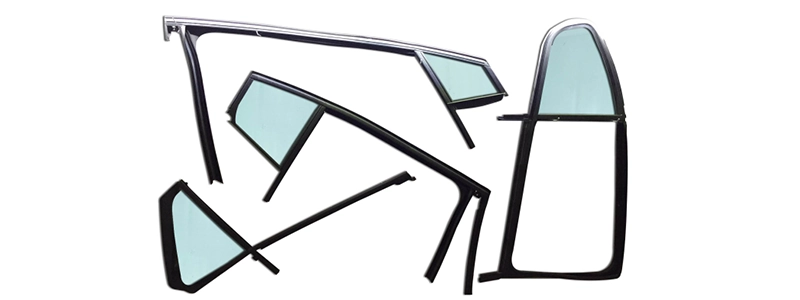
Frequent inspections are key to identifying issues before they lead to mold damage or production delays. Regularly check for any signs of mold cracking, chipping, or deformation, especially on high-precision parts such as those used in automotive triangular window encapsulation. Adjusting the pressure settings, calibration, and injection volumes as needed will help keep the Dekuma glass molding machine running at its best. Moreover, replacing worn components as soon as they show signs of damage can prevent further damage to the mold and other machine parts.
Conclusion
Maintaining the molds of your glass molding machine is essential for maximizing productivity and ensuring high-quality results. At Dekuma, we provide reliable and efficient solutions to help automotive and other industries achieve their manufacturing goals. By following regular cleaning routines, maintaining temperature controls, and performing frequent inspections, you can extend the life of your glass molding machine molds and continue producing superior products with minimal downtime.