In the evolving world of manufacturing, new technologies continue to shape production methods. Two of the most popular methods are injection molding and 3D printing. Each has its advantages and specific applications, and the choice between them can significantly impact product quality, production speed, and cost-efficiency. As rubber injection molding machine manufacturers, Dekuma understands the nuances of these technologies and how they influence industries like automotive, construction, and agriculture.
Why Injection Molding Stands Out in Manufacturing
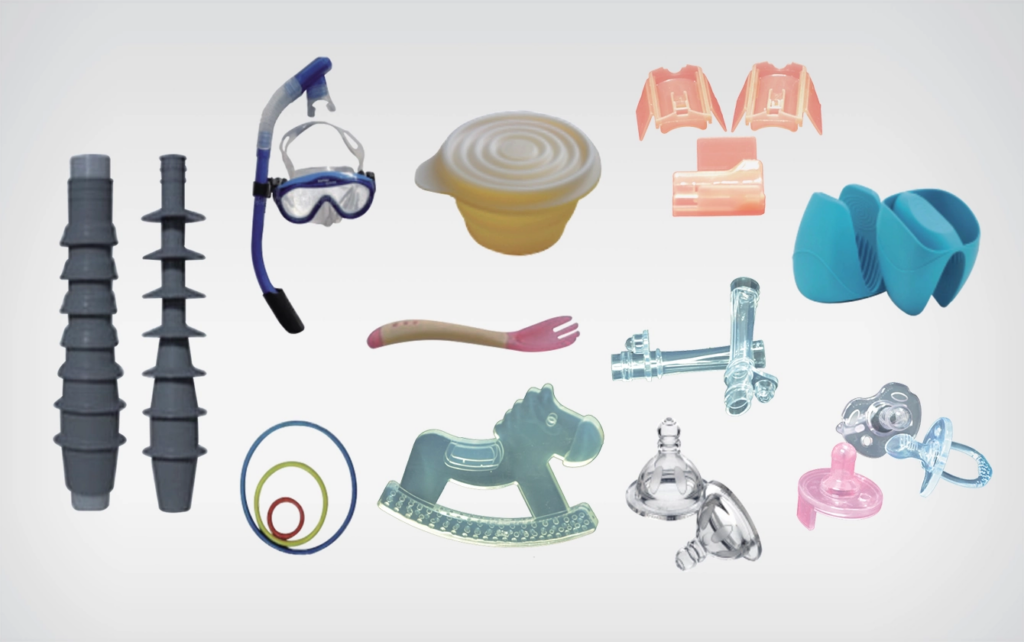
Injection molding has been a staple in the manufacturing world for decades. It is renowned for its ability to create high-quality, durable parts at scale. As rubber injection molding machine manufacturers, we specialize in rubber injection molding machines that deliver precision, consistency, and efficiency. This method is ideal for mass production and offers superior strength and longevity compared to 3D printing. The high speed and cost-efficiency of injection molding make it a go-to solution for large-scale projects, especially in industries that require robust, high-performance components, such as military and agricultural machinery.
The Unique Benefits of 3D Printing in Prototyping
On the other hand, 3D printing provides distinct advantages, particularly in rapid prototyping and custom designs. While it may not match the speed and efficiency of injection molding for high-volume production, it excels in flexibility and design complexity. 3D printing allows for intricate geometries and low-volume custom production, making it an excellent choice for designers and engineers who need to test ideas quickly and cost-effectively. Injection molding machine manufacturers, including Dekuma, recognize the increasing demand for hybrid approaches, where 3D printing and injection molding complement each other in the design-to-manufacturing process.
How to Choose Between Injection Molding and 3D Printing
When deciding between injection molding and 3D printing, it’s crucial to consider factors like production volume, material requirements, and the complexity of the product design. Dekuma, with its expertise in both technologies, helps clients make informed decisions by providing tailored solutions that match their specific needs. For mass production and high durability, injection molding remains the preferred choice, especially when used in conjunction with advanced rubber injection molding machines. However, for smaller runs or highly customized products, 3D printing provides flexibility and rapid turnaround times.
Conclusion
Ultimately, the choice between injection molding and 3D printing boils down to your specific manufacturing needs. At Dekuma, we believe that the right decision depends on factors like cost, product requirements, and production timelines. By understanding both processes, injection molding machine manufacturer can leverage the strengths of each technology and optimize their production strategies. Whether you’re looking for precision and durability in mass production or the versatility of prototyping, both injection molding and 3D printing have their place in modern manufacturing.