
Hydraulic and pneumatic clamp systems play a critical role in rubber molding machines, specifically in rubber hydraulic press machines. These two technologies are frequently discussed in the context of molding systems, with each offering unique benefits. At Dekuma, we recognize the importance of selecting the right clamp system to optimize production efficiency and ensure product quality. In this article, we will compare the hydraulic and pneumatic clamp systems used in rubber molding processes, discussing their key features, advantages, and applications.
Key Differences Between Hydraulic and Pneumatic Clamping Mechanisms
When deciding between hydraulic and pneumatic systems, the main factor to consider is the method of generating and maintaining clamping force. The hydraulic system, commonly used in hydraulic injection molding machines, delivers a powerful and stable clamping force, crucial for high-pressure molding applications. On the other hand, pneumatic systems are typically lighter and more economical, suitable for applications that do not demand extremely high clamping forces. At Dekuma, we understand that the right system depends on the material, mold size, and production volume.
The Efficiency and Precision of Hydraulic Clamp Systems
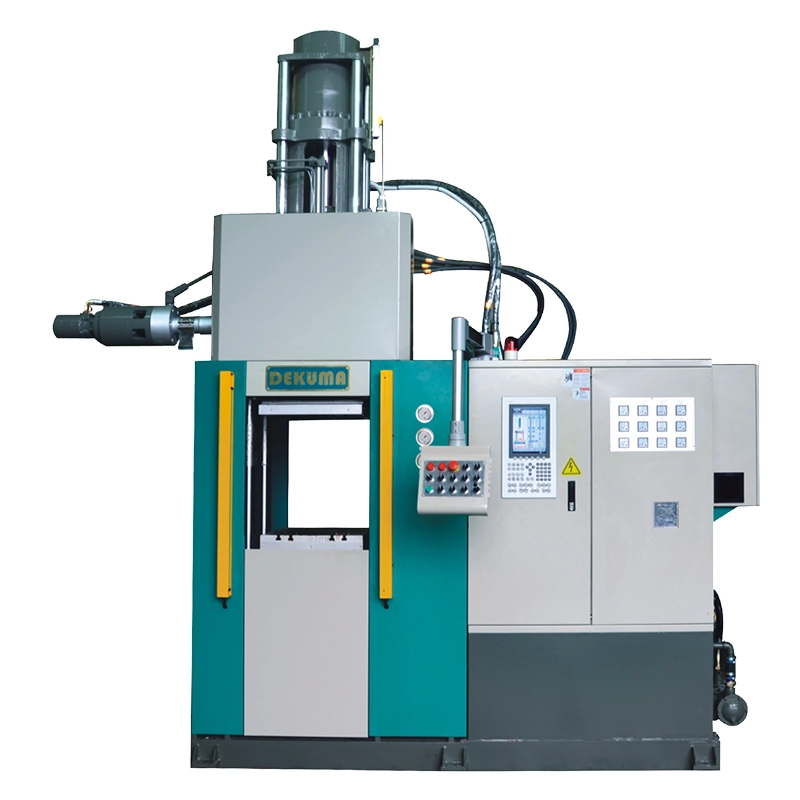
One of the standout features of hydraulic injection molding machines is their high precision and energy efficiency. Hydraulic systems are often powered by servo motors, which offer fine-tuned control over pressure and flow, ensuring stable clamping and injection processes. With our rubber hydraulic press machine models, including the RV-Se Series, we provide advanced energy-saving features that reduce power consumption by up to 60%. This makes hydraulic systems not only highly reliable but also cost-effective for high-volume production.
Pneumatic Clamps: Cost-Effective and Efficient for Simpler Applications
While hydraulic systems offer enhanced precision and control, pneumatic systems offer a more economical solution for less demanding molding needs. Pneumatic clamps work efficiently for smaller molds and lighter materials, where the need for extremely high clamping forces is not critical. These systems tend to be easier to maintain and cost-effective, making them a good option for businesses with lower production volumes or simpler mold requirements. At Dekuma, we recognize the value of pneumatic systems in specific applications, and we provide customization options to suit various production needs.
Conclusion
Both hydraulic and pneumatic clamp systems have their place in the manufacturing of rubber components. The hydraulic injection molding machine with its advanced features is ideal for high-precision, large-scale production, particularly in industries like automotive. Meanwhile, the rubber hydraulic press machine remains the preferred choice for manufacturers who need high clamping forces and stability. At Dekuma, we are committed to offering the right solutions for our clients, ensuring that you can make informed decisions based on their specific production needs and objectives.